What Remains
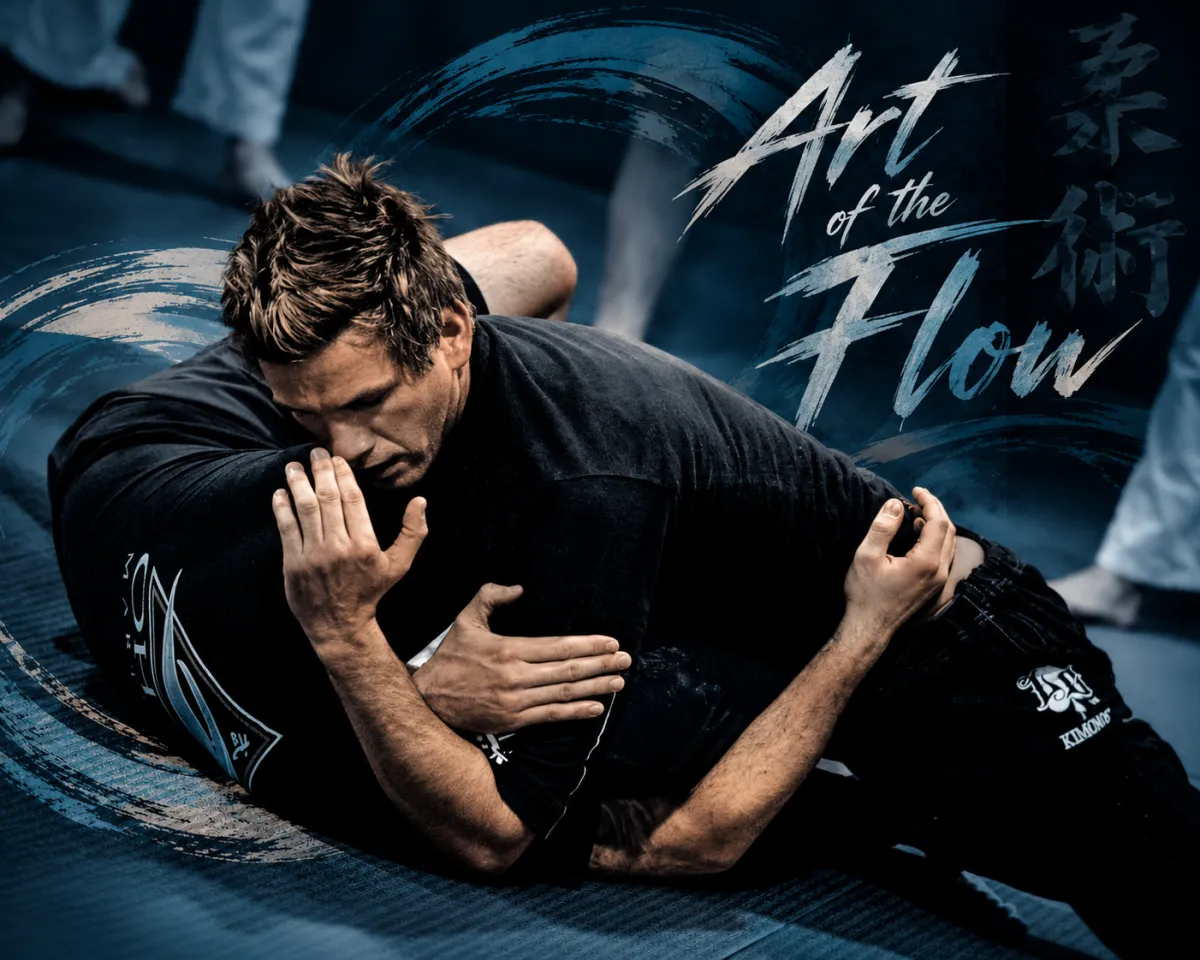
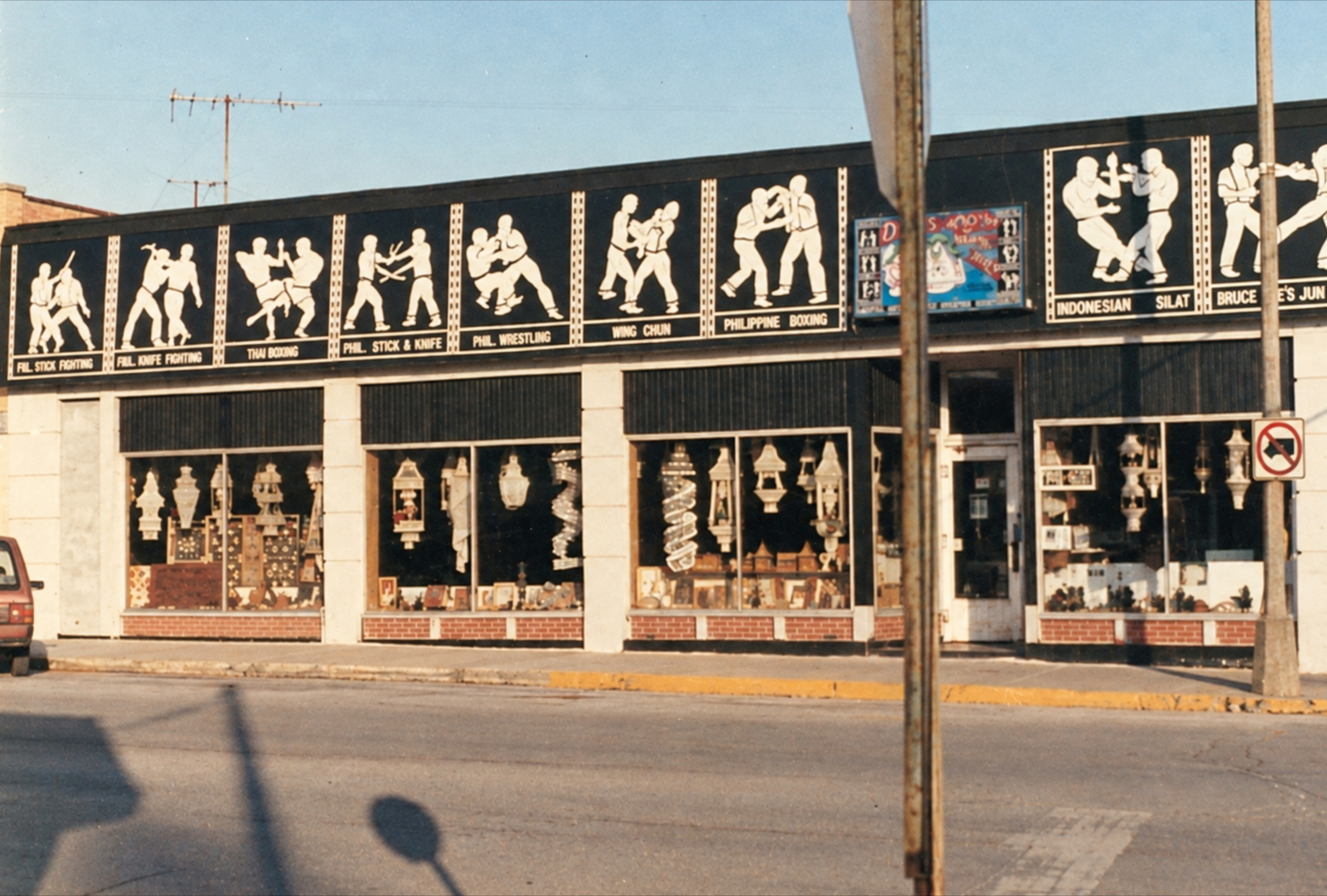
I started martial arts in May of 1990, when I was fifteen years old. I didn't have enough money for the initiation fee and the initial cost of training, so a local Filipino Kali instructor gave me another way in. He was building out a new training space and let me help with the work. I swept, cleaned, moved things around and did whatever needed to be done.
Another kid working off some of his training dues was a fourteen-year-old named Jason. I remember at one point Jason took a wrong step while working in the attic, broke through the drywall ceiling and ended up hanging from the rafters twelve feet above straight concrete. He would eventually become a Navy SEAL, so apparently some of those skills were already developing at the tender age of fourteen.
After a few days of working on the new academy, the instructor took me outside onto the sidewalk during a short break from the work. He handed me a Kali stick and showed me an angle one and an inside sweep. Nothing formal. No ceremony. Just a fifteen-year-old kid standing on a sidewalk with a stick in his hand. I guess you could call that my Daniel LaRusso and Mr. Miyagi moment.
I had no idea where that first lesson would lead. I just wanted to learn. Once the new academy buildout was complete, I jumped into classes and thought getting better meant learning more, so I was off to the races, collecting techniques and filling up notebooks. There was always something else to learn, and I wanted all of it.
More than three decades later, I see things a little differently. I still love learning, but I've become just as interested in what can be taken away. Unnecessary movement. Unnecessary tension. Unnecessary effort. The longer I practice, the more I find myself coming back to the simplest things.
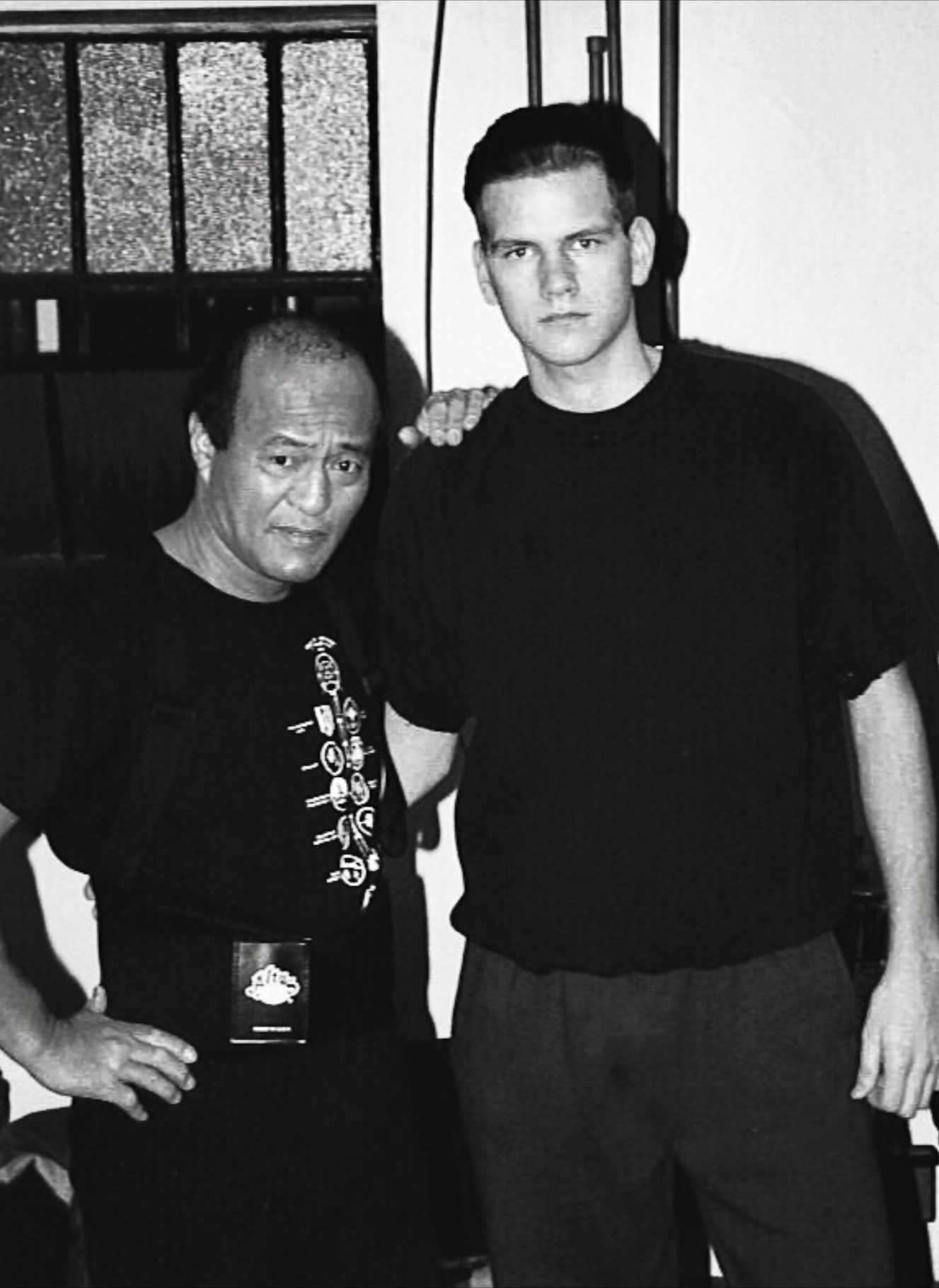
I've been fortunate to learn from some remarkable martial artists over the years, but what stays with me now aren't all the techniques. It's the ideas underneath them. Breathing. Posture. Structure. Balance. Connection. Awareness. Angles. Timing.
That's one of the funny things about martial arts. A teacher can give you an answer long before you're ready to understand it. You hear the words, nod your head and think you've got it. Then twenty years later you're standing on the mat and suddenly think, Oh. That's what he meant. The words didn't change. You did.
I experienced that in 1994 when I had the opportunity to train with Rickson Gracie. I was a white belt and didn't have a clue what was going on. Calling what I did with Rickson a roll might even be giving me a little too much credit. It was probably the Jiu-Jitsu equivalent of getting invited to play one-on-one with Michael Jordan while you're still learning how to dribble.
Rickson rolled with me for quite a while, and at the time I remember thinking I must be doing something right. Looking back, he was probably just letting this scrawny little white belt hang around long enough to build some confidence.
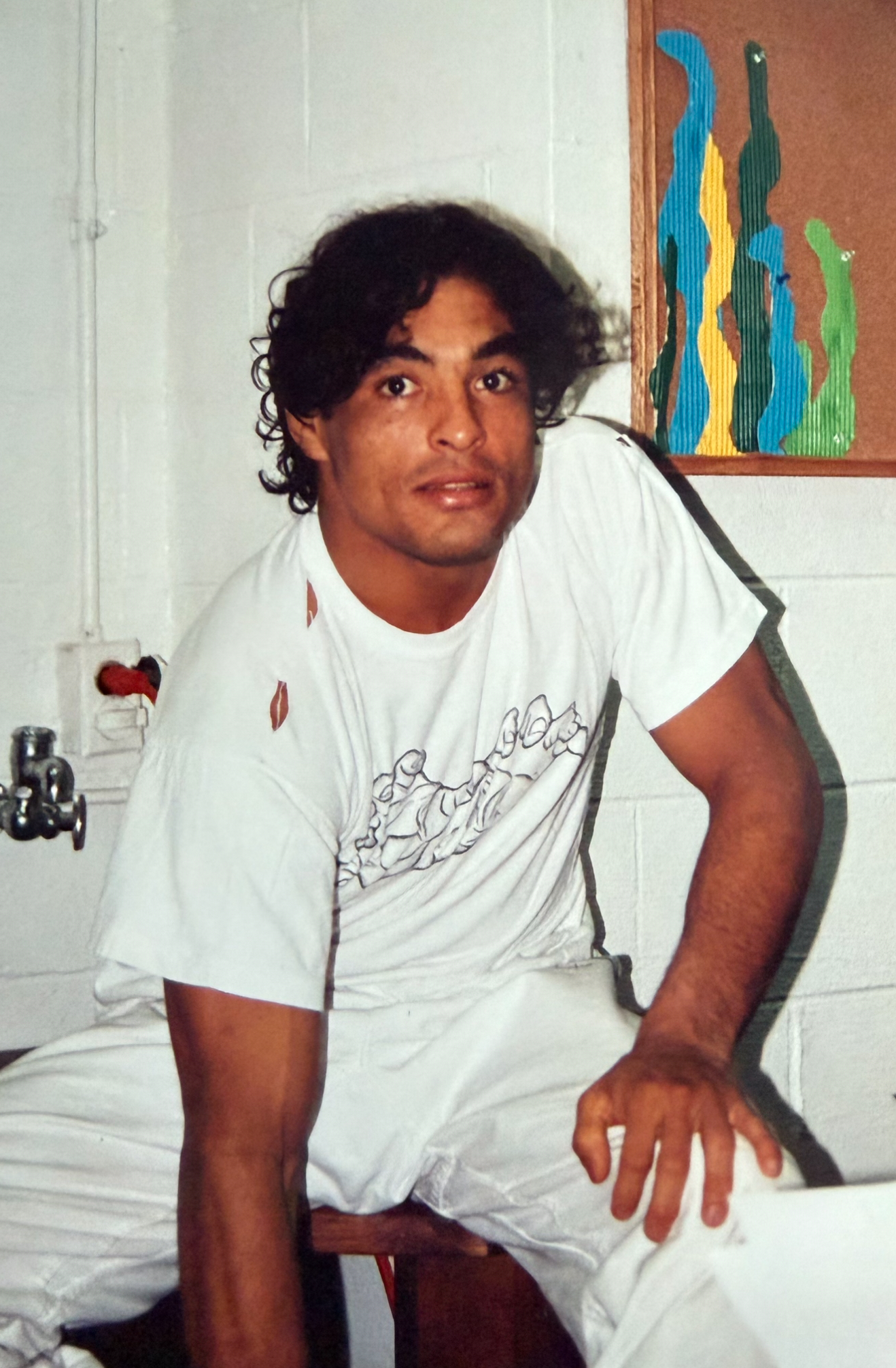
What I wouldn't give to have that same opportunity today. I knew I was experiencing something special, but I didn't know what I should have been paying attention to. Nothing seemed forced. There was so little wasted movement. More than thirty years later, I think I finally understand what that clueless white belt was feeling.
Efficiency.
That's really what my practice has become about. Not everything I've learned. After more than three decades, there's far too much of it, and I've probably forgotten a good portion anyway.
It's about the things I keep coming back to. The things my teachers showed me before I was ready to understand them. The things my students taught me along the way. The things that became clearer as I stopped trying to add more and started paying attention to what was already there.
What remains.
