
Three Arenas. One Art.
The Art of Flow | Professor Chris Lund
One of my passions as a teacher is studying the greats of Jiu-Jitsu. I enjoy looking at how they approach the art, what makes their games so effective, and what we might learn from them to improve our own practice.
My background in Jeet Kune Do has always influenced the way I look at Jiu-Jitsu. In JKD, we explore the importance of being comfortable in all ranges of combat. I see a similar idea in Jiu-Jitsu, where we have three main arenas: with the jacket, or gi; without the jacket, or no-gi; and with strikes, as we see in mixed martial arts.
I like to think of these three arenas as points of a triangle. Rather than developing three separate games, I've always been interested in building one connected game that can adapt across all three. Different environments, but many of the same underlying principles.
When I think about the pinnacle of each arena, three athletes come to mind: Roger Gracie in the gi, Gordon Ryan in no-gi, and Khabib Nurmagomedov in MMA.
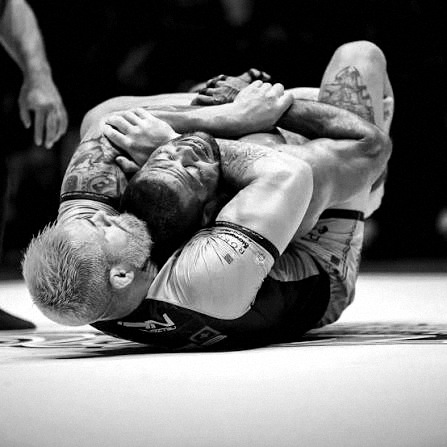
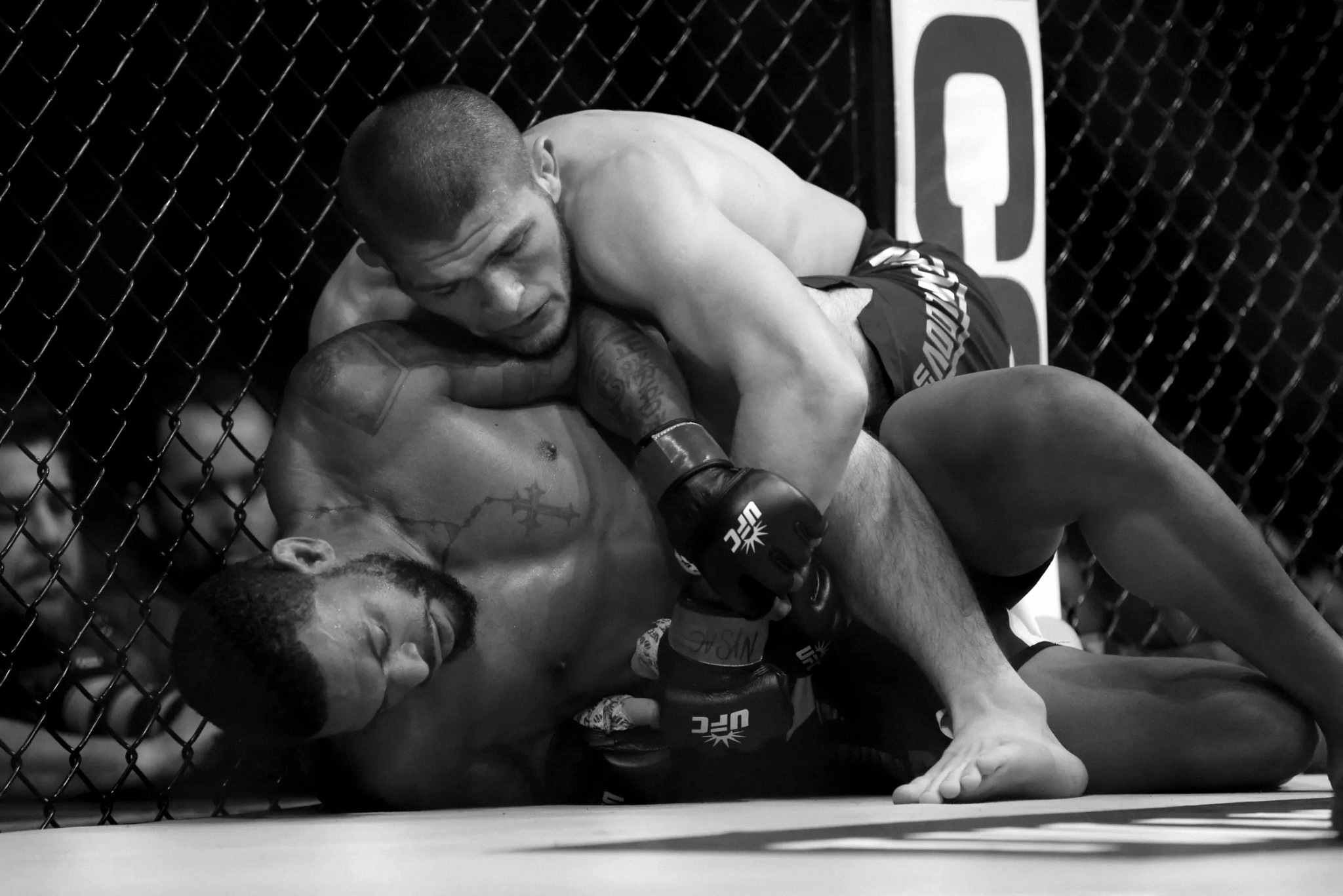
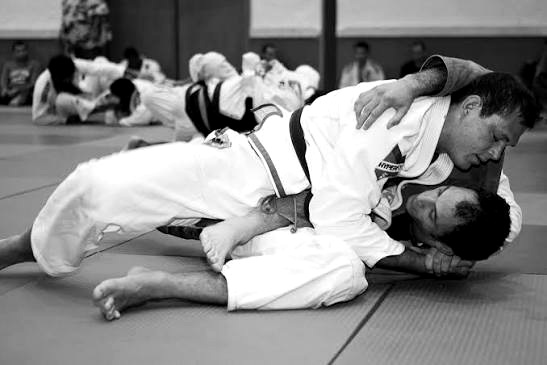
What I appreciate about these three is how they've taken something incredibly complex and developed such clear approaches to their games. Roger's mastery of the fundamentals, Gordon's ability to connect positions and movements, and Khabib's extraordinary understanding of pressure, balance, and control.
There's something here for all of us. We don't necessarily need more techniques. Sometimes we just need a better understanding of the ones we're already practicing.
Bruce Lee spoke about hacking away the unessential, continually refining what we practice until we're left with what really works.
I think this is especially helpful for students who sometimes feel overwhelmed by how much there is to learn in Jiu-Jitsu.
When we organize our training around a smaller body of essential skills, we can keep coming back to them. Each time we revisit something familiar, we begin noticing a little more. Better timing, a different angle, or a more efficient way to move.
That's circular learning. We're returning to familiar material, but with a little more understanding each time.
Whether you're just beginning or you've been training for years, there's always something new to discover in the basics.
Maybe that's what advanced basics are really about. The material becomes simpler, but our understanding keeps getting deeper.
