
The Dimmer Switch
The Art of Flow | Professor Chris Lund
One of the things I've always enjoyed most about martial arts is slowing things down enough to really feel the movement. I think that goes back to my earliest training in Filipino martial arts and the practice of carenza, where you're flowing freely with a weapon, articulating your body, and exploring movement. I've always loved the ocean, and there's something about that same feeling of movement and flow that I've been drawn to for as long as I can remember. It's something I've carried with me throughout my years in Jiu-Jitsu.
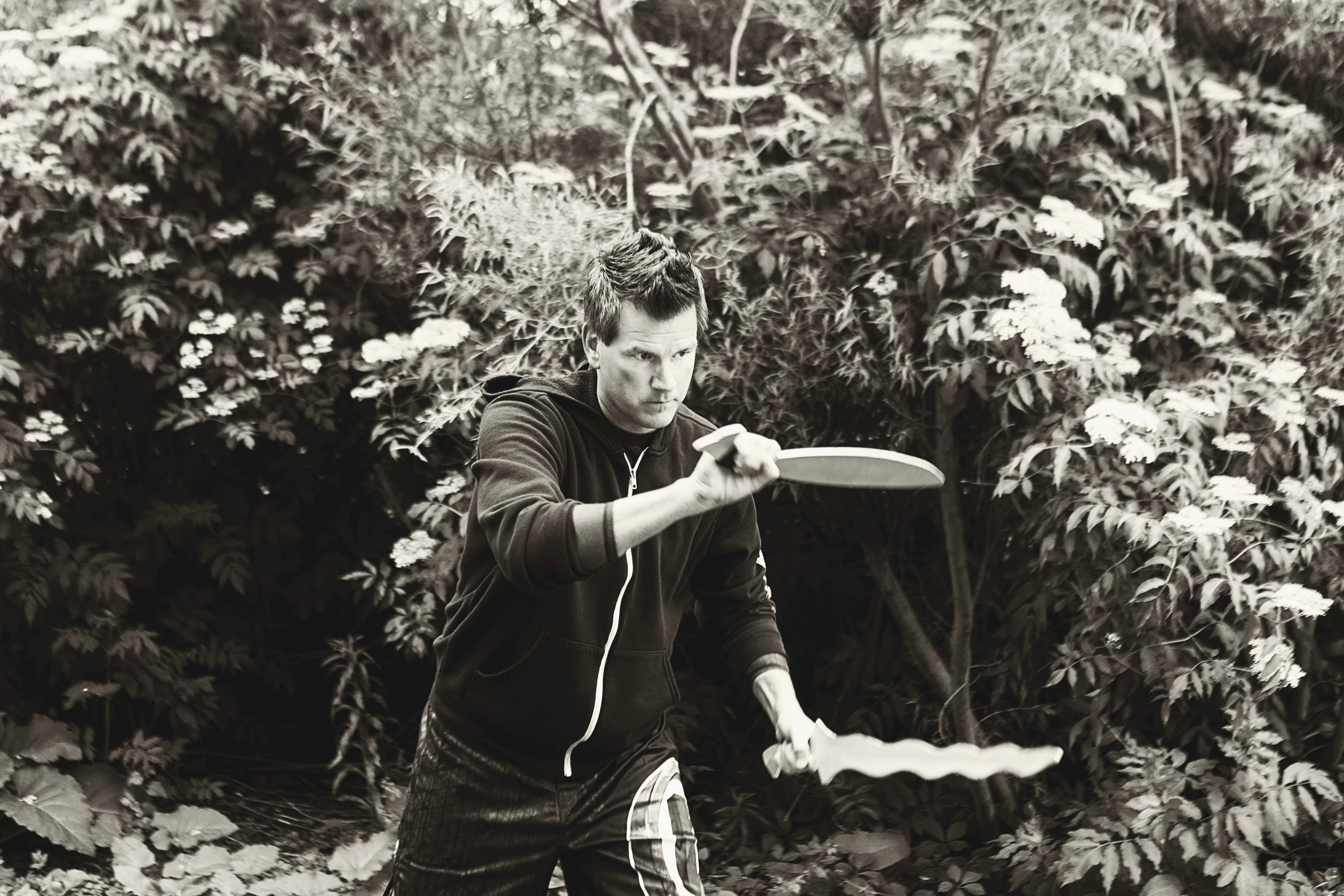
When we're first starting out in Jiu-Jitsu, everything can seem to happen at a hundred miles per hour. We're trying to remember techniques, figure out where our arms and legs belong, and generally just survive. But somewhere along the way, you begin to realize that going faster isn't necessarily making you better. Sometimes it's just making you miss what's happening right in front of you.
I talk to my students a lot about having a dimmer switch. To me, that's one of the last pieces of becoming a black belt. Can you match the energy of the person in front of you? Can you slow things down enough to recognize what's happening without feeling the need to force something? It's one thing to turn up the intensity. It's another thing entirely to be able to adjust it whenever you choose.
I've always enjoyed working from positions that many people perceive as bad or vulnerable. Those so-called defensive spots where you're underneath someone, caught in a submission, or seemingly at a disadvantage. I like getting that ride time because the more time you spend there, the more comfortable you become. It's a little like being afraid of the monster under your bed. Eventually, you have to look underneath and realize there's not as much to be afraid of as you thought.
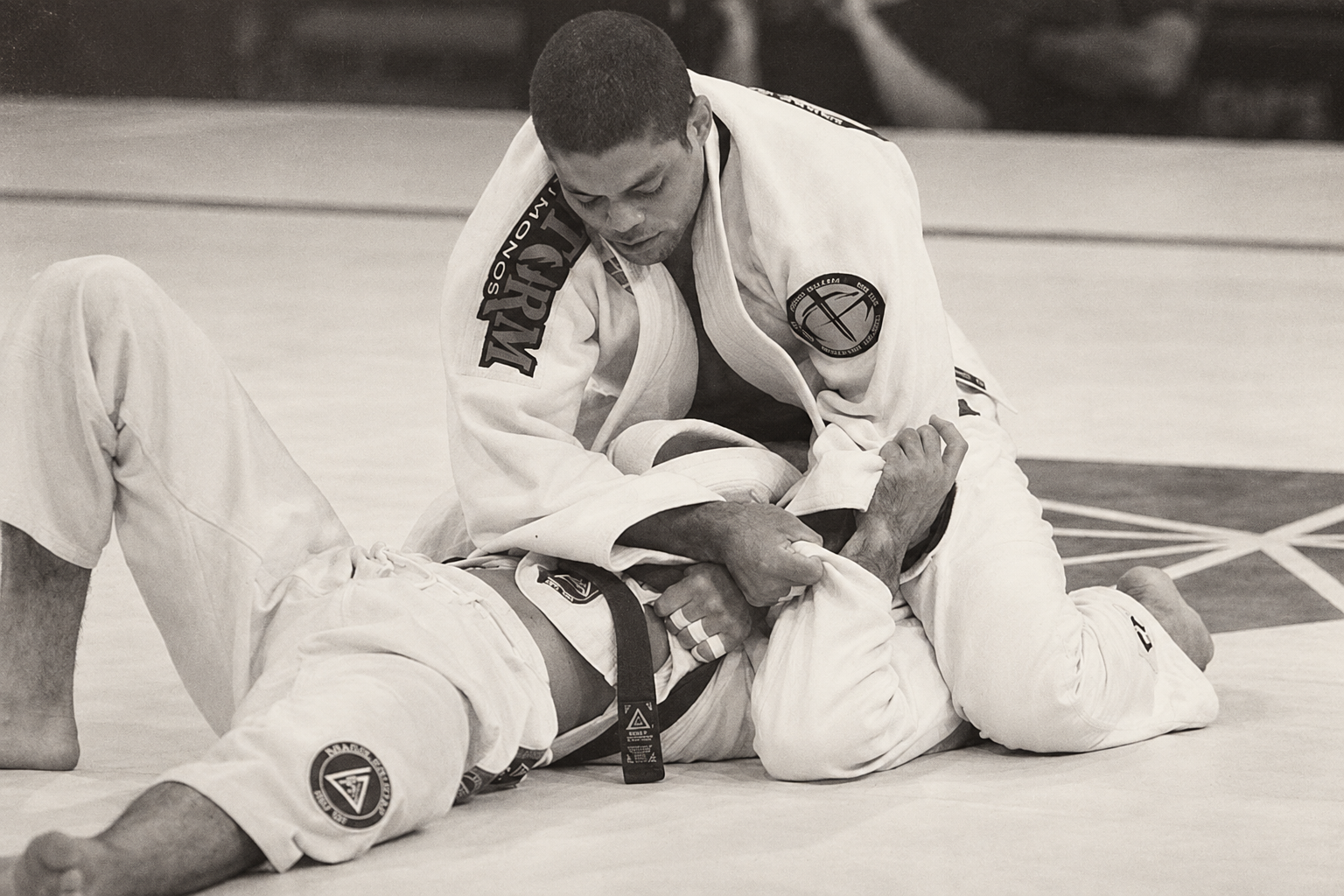
I think a lot of people avoid these positions because of their ego or simply because they're afraid of losing. But when you spend enough time there, you realize they're not necessarily bad positions. They're places to learn. And the better you understand your defense, the more you begin to understand your offense. It opens up your game and takes away a lot of that fear. I've found that slowing things down also helps me make sense of what's happening. Whether I'm attacking, defending, or transitioning between positions, I try to keep things simple by asking myself three questions: Where am I? What matters most? Where am I going? It's a way of staying organized and recognizing what needs my attention rather than just reacting to everything.
Of course, not everyone is willing or able to match that kind of energy, and that's okay. Some people prefer a faster, more competitive pace. But if you're interested in developing flow, choosing the right training partners becomes important. You need someone willing to explore positions with you rather than turning every exchange into a fight.
I think progressive resistance is an essential part of learning Jiu-Jitsu. I sometimes compare new positions and techniques to infants. Just like raising a child, you have to nurture them and give them time to develop. You wouldn't put an infant on a train to downtown Chicago and expect them to show up for a job interview. They're simply not ready yet. Our Jiu-Jitsu is no different. We need to gradually introduce resistance and challenges, giving new skills the opportunity to grow rather than overwhelming them before they've had a chance to develop.
That doesn't mean hard training doesn't have its place, and flowing certainly isn't the only way to practice Jiu-Jitsu. But as your understanding develops, you can begin adding more resistance, unpredictability, and intensity. Eventually, things that once required so much thought begin to happen naturally.
After all these years, I still enjoy a competitive round, but I probably appreciate the quieter ones even more. The rounds where you're moving, exploring, and discovering things without feeling like you have anything to prove. Bruce Lee often spoke about being like water, and I think I understand that a little differently today than I did when I was younger. Sometimes the answer is to flow, and sometimes the answer is to crash. The interesting part is learning to recognize the difference.
