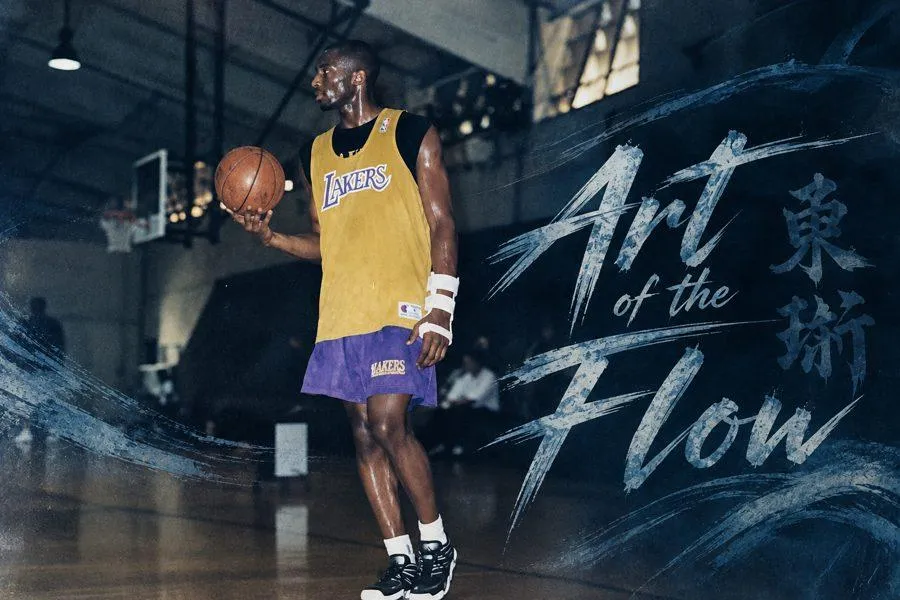
Advanced Basics
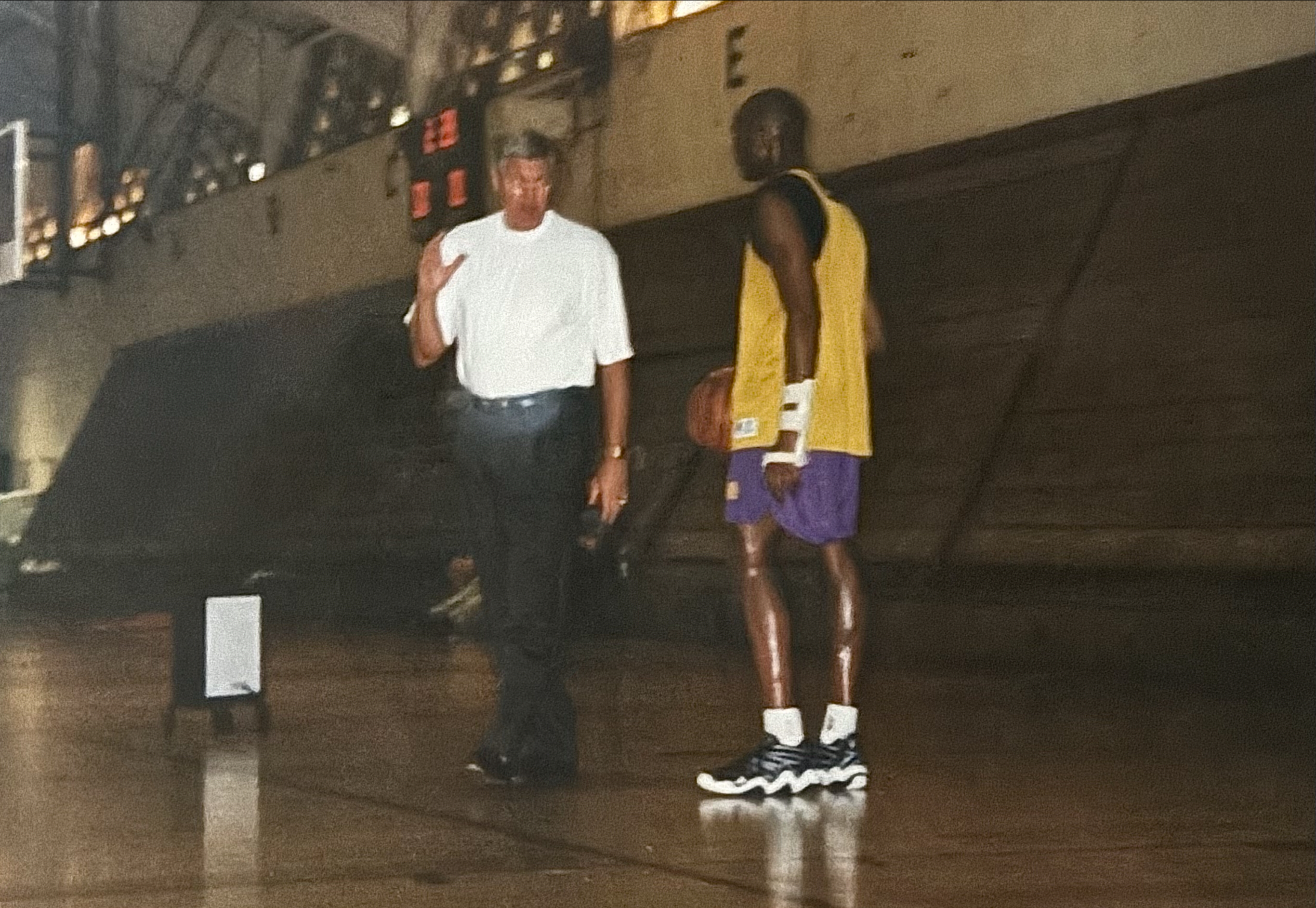
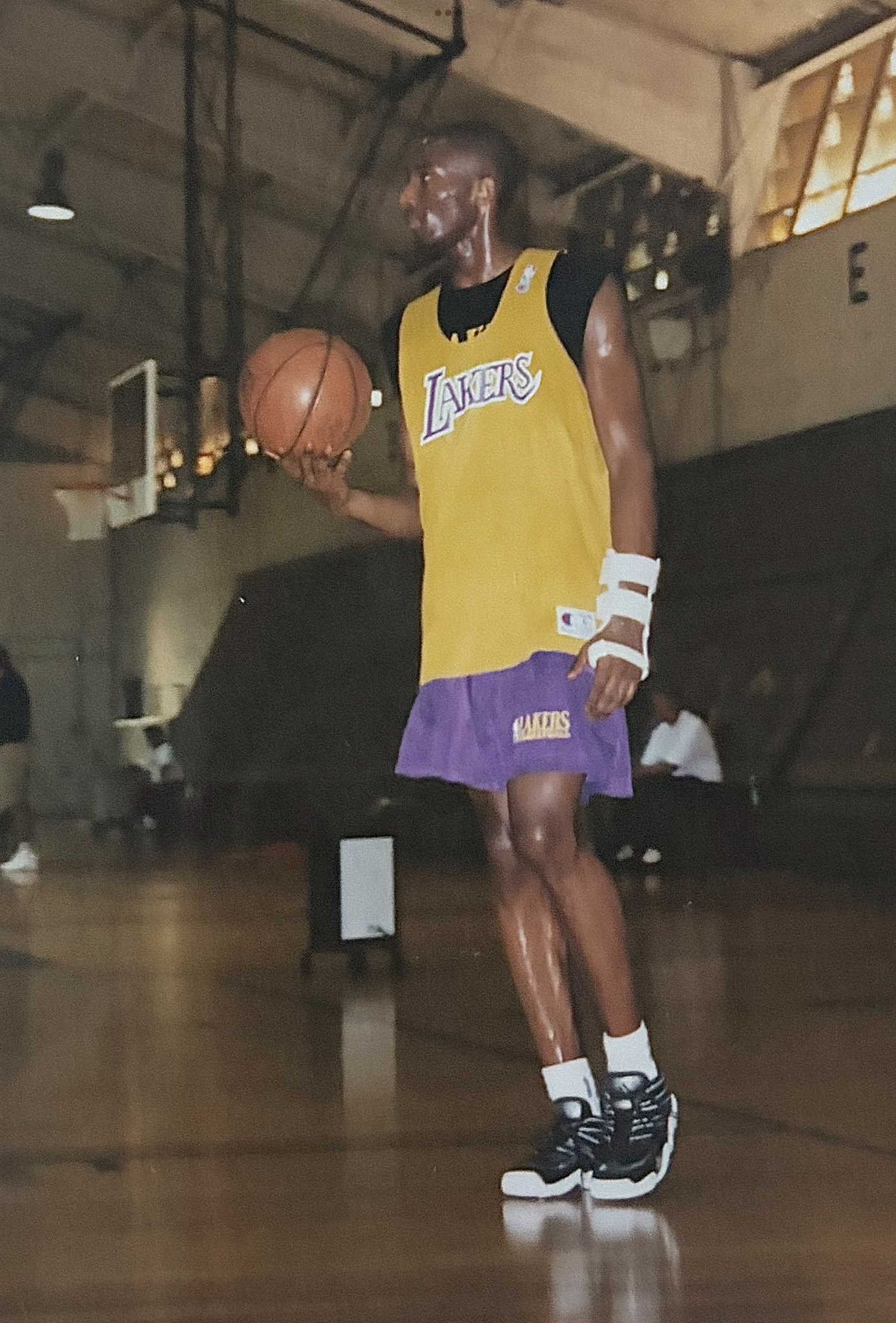
In 1996, I somehow managed to sneak into a private Los Angeles Lakers training session at Klum Gym at the University of Hawaii. I definitely wasn’t supposed to be there. As far as I could tell, I was the only person in the gym who wasn’t a Lakers player, coach or member of the staff.
Most of the team was scrimmaging on the opposite side of the gym. I had found a spot against the wall on a second court, away from the rest of the team. Sitting there, it was just the four of us. To my right, Jerry West was working with an eighteen-year-old Kobe Bryant. To my left, Shaquille O’Neal was shooting free throws.
It was one of those moments where you know enough to realize you probably shouldn’t move.
This was long before everybody had a camera in their pocket. Luckily, I had gotten into the habit of carrying a little 35-millimeter camera with me to a lot of the experiences I was fortunate enough to have back then. I’m glad I did, because I still have photographs from that day.
But the thing I remember most wasn’t a photograph.
It was what Jerry West was teaching Kobe.
Pivot footwork.
Here I was sitting a few feet away from one of the greatest basketball minds in history working with this incredibly talented eighteen-year-old kid, and they were practicing one of the most basic skills in basketball. Jerry would demonstrate the footwork, Kobe would do it, and they would work through the details.
Meanwhile, Shaq was on my other side shooting free throws.
There was something almost funny about it. I had somehow stumbled into this private look at some of the best basketball players in the world, and nobody was working on anything that looked particularly advanced. Kobe was working on his pivots. Shaq was shooting free throws.
The basics.
I didn’t fully appreciate the lesson at the time. I was just excited to be sitting there watching it. But years later, after spending my own life teaching martial arts, I started thinking about that afternoon differently.
Jerry West wasn’t showing Kobe some secret move. He was taking one of the first things a basketball player learns and looking at it with an advanced level of understanding.
I think Jiu-Jitsu works the same way.
When you’re new, you want more techniques. Another sweep. Another submission. Another guard pass. I was the same way. I filled notebooks with techniques because I thought getting better meant knowing more.
Eventually, you realize that the things making the biggest difference aren’t always the complicated things. They’re the things underneath everything else. Breathing. Posture. Structure. Base. Connection. Hands. Angles. Flow.
That’s really what the Bushido Eight are to me.
Advanced basics.
I’ve always believed there are no black belt moves. There are only moves done at a black belt level. The technique may be the same one you learned as a white belt. What changes is your understanding of it. Your timing gets better. Your posture gets better. You understand the connection, the angle and when to use it. The move didn’t become more advanced. You did.
A white belt and a black belt may understand the same idea, but they don’t necessarily understand it the same way. Tell a beginner to keep good posture and they understand the words. Years later, after thousands of hours on the mat, those same two words can mean something completely different.
That’s one of the strange things about getting better. You spend the beginning trying to add things to your Jiu-Jitsu. Eventually, you start taking things away. Less tension. Less wasted movement. Less forcing. You start seeing more inside the things you thought you already understood.
Kobe Bryant didn’t become Kobe Bryant because pivoting was beneath him. The fundamentals were worth returning to.
I think martial arts is the same way. There really isn’t a point where you graduate from the basics. You just keep coming back to them with better eyes.
Maybe that’s what advanced basics really are.
You spend years exploring the branches only to discover how important the roots were all along.
